


At Healthspan, the clinically supervised approach to hair combines interventions that each address a different mechanism. If androgenic miniaturization is your primary driver (which it is for most men and a significant portion of women with pattern hair loss), GHK-Cu alone is not sufficient. Second — dosing protocols in the community are all over the place.
People dealing with pattern hair loss often benefit more from a combined approach that includes lifestyle factors, hormone evaluation, and evidence-based treatments. Injectable GHK-Cu has been studied in orthopedic contexts like ACL healing in rats (and topical GHK-Cu has stronger skin and wound-healing data), but neither body of evidence was designed to answer the hair-growth question. Community reports sometimes describe injectable GHK-Cu as contributing to hair improvements alongside skin and healing benefits, but these are self-reported observations without controlled conditions. Both peptides belong to a broader category sometimes labeled "copper tripeptide-1” in cosmetic ingredient lists. There is supportive early clinical work (including reports of benefit in diabetic and chronic wounds), but this is not the kind of large, replicated, randomized evidence base that would earn a firm clinical recommendation. If you see no benefit after roughly six months of correct use, it is reasonable to reassess your approach with a healthcare professional.
A natural peptide sequence, a blue color or a high chromatographic area percentage cannot answer those questions. A biochemical experiment MOTS-c purchase considerations found inhibition of ferritin-dependent iron release and lipid peroxidation, without significant superoxide-dismutase-like activity. They do not demonstrate that a person becomes biologically younger or that a product restores stem cells throughout the body. Copper-GHK research in keratinocytes and reconstructed skin measured proliferation-related markers, including integrins and p63. These are cell-model findings, not a reason to assume that more material produces more benefit.
The Unresolved Issue of Delivery
One of the most striking facts about this peptide is how its levels change over a lifetime. The copper-bound form (written as GHK-Cu), is the biologically active complex most often studied and used in cosmetics. A scientific look at how the copper tripeptide may support the hair follicle, what the research actually demonstrates, and how it is applied topically. Step-by-step reconstitution & dosing guides for 90+ peptides, blends and stacks. She translates the published pharmacology and clinical literature on peptide mechanisms (dosing and reconstitution into clear), well-referenced explainers.

Every article links directly to the original published research. (2021) (most patients see measurable improvements within 3–6 months of consistent use), with continued improvement up to 12 months. The gene expression changes documented in this review shift gene activity toward a healthier, younger pattern rather than creating abnormal activity. For hair growth specifically (combining topical GHK-Cu with microneedling is supported by the strongest evidence), as shown in the 2025 Kuceki study which achieved 26.5% regrowth with this combination approach. The review suggests their effects may be comparable — and because they use different mechanisms, combining them could provide additive benefits.
Some conditions respond poorly to copper peptides. Extended telogen and shortened anagen contribute to thinning over time. The timeline for peptide results varies by compound and goal, but hair restoration follows predictable patterns. Clinical studies examining combination approaches document improvements exceeding any single treatment.
The scalp microbiome (including species such as Cutibacterium acnes and Malassezia species), influences the inflammatory environment of the follicular unit. Pickart’s original observation that plasma GHK levels correlate with tissue repair capacity suggests this is a worthwhile research question, but it remains in the realm of hypothesis for now . Most published trials are small, of short duration , 12 to 24 weeks,, and funded by industry partners with commercial interests in the outcome. The absence of large (phase III-equivalent randomized controlled trials means that precise dosing guidelines), optimal formulation characteristics, ideal treatment frequency, and long-term durability of effect have not been rigorously established in human subjects. The clinicians achieving the most meaningful results understand hair loss as a multifactorial condition requiring a layered approach — GHK-Cu has a defined mechanistic role in that stack, but it cannot do the job alone. By tempering mTORC1 activity (topical rapamycin appears to preserve the stem cell pool in the follicular bulge), extending the regenerative lifespan of the follicle.
Related articles
A separate small randomized controlled trial investigated the combination of GHK-Cu with minoxidil versus minoxidil alone in women with female pattern hair loss. For patients with mild to moderate hair thinning, topical GHK-Cu with optimized delivery likely provides sufficient local activity. So let’s separate the plausible from the proven (keep the framing cosmetic), and be upfront about where the science simply hasn’t caught up to the marketing.
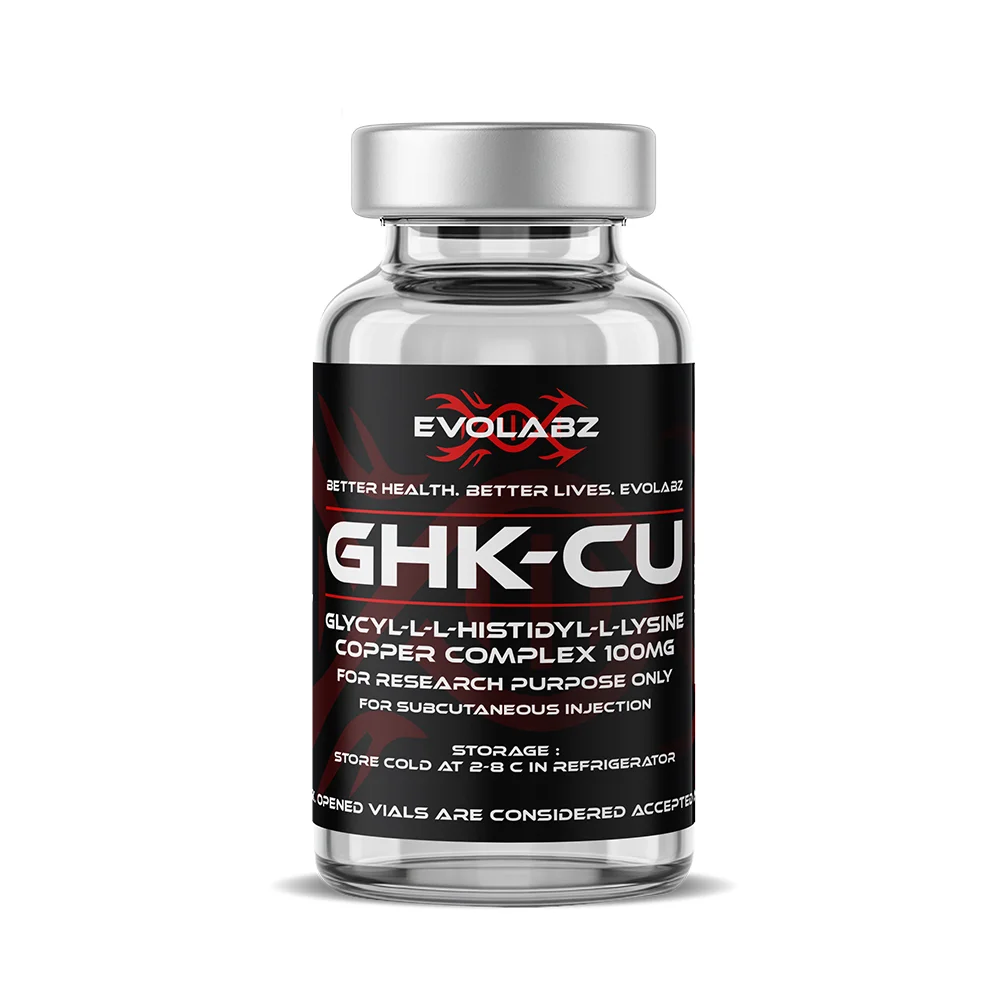
Because the hair cycle is slow (any assessment should be measured in months), not weeks. It is best viewed as a cosmetic ingredient that may support a healthier follicular environment — not a guaranteed regrowth treatment. GHK-Cu has strong mechanistic rationale — it supports collagen synthesis, angiogenesis around follicles, and has anti-inflammatory effects — and laboratory and animal studies are encouraging. This article is for educational purposes only and does not replace individualized medical advice. In the United States and the European Union, GHK-Cu is permitted as a cosmetic ingredient but is not approved as a drug for treating hair loss. Two serums labeled "GHK-Cu” can differ enormously in concentration (stability), and overall formulation quality, so a discerning approach pays off.
That biological story explains why the question “what does GHK-Cu do” has several answers at once. A 2020 review of GHK as an anti-aging peptide reports that plasma GHK averages about 200 ng/mL at age 20 and about 80 ng/mL at age 60. The FDA’s substance registry lists it under the preferred name prezatide copper, with synonyms that include copper tripeptide-1 and GHK complex with copper.
